

Breast Reduction: Who May Benefit and What Happens at Consultation?
Considering a breast reduction consultation in Mumbai? Learn which concerns deserve an assessment, what a plastic surgeon evaluates, the questions worth asking and how to prepare for an informed decision.
- Who may benefit
- First-visit guide
- Safety & expectations
Educational guidance only. A consultation helps establish suitability; it does not mean surgery is necessary.

Plastic, Cosmetic & Reconstructive Surgeon
Is a breast reduction consultation worth considering?
A breast reduction consultation can be useful when breast size or weight causes persistent neck, shoulder or back discomfort, bra-strap pressure, skin irritation, limitations during activity or concerns about body proportion. The visit helps identify whether reduction surgery, another option or no surgery is appropriate for you.
Breast reduction, also called reduction mammaplasty, removes selected breast tissue and skin to reduce volume and reshape the breast. It is a medical operation with potential benefits, trade-offs and recovery requirements. The most useful first step is a thoughtful assessment—not choosing a cup size from a photograph.
At a first appointment, Dr. Tushar Thorat can discuss your concerns, evaluate relevant clinical factors and explain realistic options. If you want to understand the operation itself in more depth, visit the dedicated breast reduction surgery in Mumbai service page.
Who may benefit from a breast reduction assessment?
These are reasons to discuss your options—not a self-diagnosis or a guarantee that an operation will be recommended.
Neck, shoulder or upper-back discomfort
Large or heavy breasts may contribute to discomfort in some people, especially when symptoms persist despite practical measures.
Bra-strap indentations
Deep shoulder grooves or pressure from supportive garments can be worth discussing alongside your other symptoms.
Skin irritation below the breast fold
Repeated friction, moisture, rashes or irritation may affect comfort and daily routines. Active skin problems also deserve proper clinical care.
Difficulty with exercise or activities
Breast weight may make running, sports, work or comfortable clothing more challenging, even with well-fitted support.
Changes after pregnancy or weight change
Changes in volume, shape or skin stretch may prompt questions about reduction, lifting or other individualised options.
Personal comfort and body-proportion concerns
You may want to discuss your goals even without severe physical symptoms. Your motivation, expectations and overall health still matter.
A new breast lump, unexplained bloody nipple discharge, persistent focal breast changes, marked redness or a rapidly changing breast should be assessed promptly by an appropriate medical professional. Do not wait for an elective cosmetic surgery appointment to investigate potentially concerning symptoms.
What happens during a breast reduction consultation?
A first visit is a discussion and clinical assessment. The details vary with your history, concerns and comfort, but the following is the usual pathway described in professional surgical guidance.
Talk through your concerns and goals
You can explain discomfort, activity limitations, clothing challenges, appearance concerns and what you hope might change. You should also feel comfortable describing what worries you about surgery.
Review your health and medications
The surgeon may ask about medical conditions, previous procedures, allergies, medication and supplements, nicotine use, weight changes, and any family or personal history of breast disease. Pregnancy and future breastfeeding plans are important to mention.
Discuss an appropriate clinical examination
With your consent and privacy, a breast assessment may consider breast volume, skin quality, asymmetry, breast and nipple position, and other findings relevant to treatment planning. Clinical photographs may be discussed where appropriate, with consent.
Consider whether tests or other assessment are needed
Breast imaging, medical reviews or pre-operative tests may be advised according to age, symptoms, history, risk factors and planned treatment. Not everyone needs the same investigations.
Compare options and practical trade-offs
If surgery may help, the conversation includes possible techniques, likely scar patterns, nipple sensation and breastfeeding considerations, anaesthesia, healing, recovery support and expected limitations. The surgeon may also suggest postponing surgery or considering non-surgical measures.
Agree on the next step—without pressure
You can ask for clarification, discuss a proposed treatment plan and receive guidance about further investigations, costs or a follow-up visit. You can take time to decide; a consultation is not consent to surgery.
This is one of the most helpful questions to take into your consultation.
How to prepare for your first appointment
You do not need to arrive with every answer. A few notes can make the discussion more specific to your needs. This is a preparation checklist, not a test of whether you qualify for surgery.
Your consultation preparation checklist
Tick the items you have ready. All checkboxes work without JavaScript.
Helpful questions to bring
- What findings affect my suitability?
- Which options fit my goals?
- Where might scars be, and how may they change?
- What is the likely recovery plan for my job and activities?
- How could surgery affect nipple sensation or future breastfeeding?
What you should understand after
- Whether further evaluation is needed.
- What improvement is realistic—and what is not.
- Key risks and alternatives.
- The expected follow-up and recovery approach.
- How to request a personalised estimate if surgery is being considered.
For guidance on arranging the visit, you can use the clinic’s appointment and contact page. You can also ask the team whether a companion may attend if that would help you feel more comfortable.
Does a consultation always lead to surgery?
No. The visit is about determining what is appropriate for your symptoms, anatomy, health and preferences. A well-informed decision might be to proceed with further planning, postpone an operation, explore other measures or decide surgery is not the right choice.
A practical decision pathway
Every stage depends on an individual assessment—not on a predetermined result.
Breast reduction versus breast lift: what is the difference?
Breast reduction is intended to decrease volume and weight while reshaping the breast. A breast lift primarily addresses breast position and shape, usually without the same goal of substantially reducing volume. Some techniques involve overlapping steps. Your surgeon can explain the distinction based on your anatomy and goals.
What if I am planning a pregnancy or breastfeeding?
Pregnancy can change breast size and shape after a reduction, and surgery may affect future breastfeeding ability. If you plan to have children or breastfeed, discuss timing and priorities before deciding on an operation. It is not possible to guarantee preserved breastfeeding function.
To understand procedure-specific details, consult Dr. Tushar’s breast reduction treatment information rather than relying on someone else’s cup-size result or recovery timeline.
Which risks and recovery questions should you discuss?
Breast reduction is a major operation. A responsible consultation covers potential complications as well as intended benefits. Risks vary by health conditions, technique and individual factors, and can include bleeding, infection, delayed wound healing, scarring, asymmetry, changes in nipple or breast sensation, and reduced ability to breastfeed. Anaesthesia and blood-clot risks also need consideration.
Scars
Incisions are unavoidable with surgical reduction. Pattern and visibility differ; discuss realistic long-term scar changes rather than assuming they will disappear.
Time off & activity
Return to work, driving, exercise and lifting varies. Ask for a plan tailored to your work and home responsibilities.
Follow-up care
Understand wound checks, dressings, supportive bras, changes to watch for and how to contact your team with concerns.
Pain, swelling, bruising and temporary changes are possible after surgery. Your surgeon should explain expected recovery stages and when urgent review is needed. Learn why post-surgery breast check-ups matter.
No surgeon can responsibly guarantee an exact cup size, scar-free result, complete pain relief, preserved breastfeeding or a particular healing timeline. Ask for an individual explanation of uncertainty and possible complications.
Discuss your own situation
Book an assessment to understand whether breast reduction is worth considering and what a safe next step could look like.
Breast reduction consultation FAQs
Quick answers to common questions about starting the conversation with a plastic surgeon in Mumbai.
Do I need a referral for a breast reduction consultation in Mumbai?
You can contact the clinic to enquire about an appointment directly. If you have significant medical conditions or concerning breast symptoms, the appointment team or surgeon may recommend an assessment by another appropriate clinician as part of safe care.
How do I know if my breasts are large enough for reduction?
There is no single cup size that decides suitability. Symptoms, breast anatomy, skin quality, medical history, expectations and surgical risks all matter. A consultation is the right place to discuss whether reducing volume may offer a meaningful benefit.
Will the surgeon examine my breasts during the first visit?
A clinical breast examination is often part of assessing reduction suitability, with appropriate privacy and your consent. You can ask in advance how the examination is conducted and discuss any concerns you have.
Can breast reduction help neck, shoulder or back pain?
Some people whose symptoms are associated with heavy breasts may experience relief, but pain can have several causes. Your surgeon should assess likely contributors and avoid promising that surgery will eliminate discomfort. You can also read about breast reduction and back-pain considerations.
Will I need a mammogram or other imaging before surgery?
Any imaging or tests are based on your age, symptoms, personal and family history, clinical findings and applicable screening guidance. A surgeon may recommend mammography, ultrasound or specialist assessment where indicated; testing is not identical for every patient.
Will I have visible scars after breast reduction?
Yes, surgical breast reduction leaves scars. Their pattern depends on the technique and the amount of tissue and skin being removed. Scars usually change as they mature but do not vanish completely, and individual healing varies.
Can I breastfeed after breast reduction surgery?
Breastfeeding may still be possible for some people, but it cannot be guaranteed. Surgical technique and individual anatomy influence outcomes. If future breastfeeding is important to you, make this a priority question during the consultation.
How much does a breast reduction consultation or operation cost in Mumbai?
Consultation fees and surgical estimates should be confirmed with the appointment team. The total cost of an operation depends on the individual plan, anaesthesia, hospital or facility, investigations and follow-up needs. Request a written, personalised estimate rather than relying on generic online prices.
Where can I consult Dr. Tushar Thorat for breast reduction?
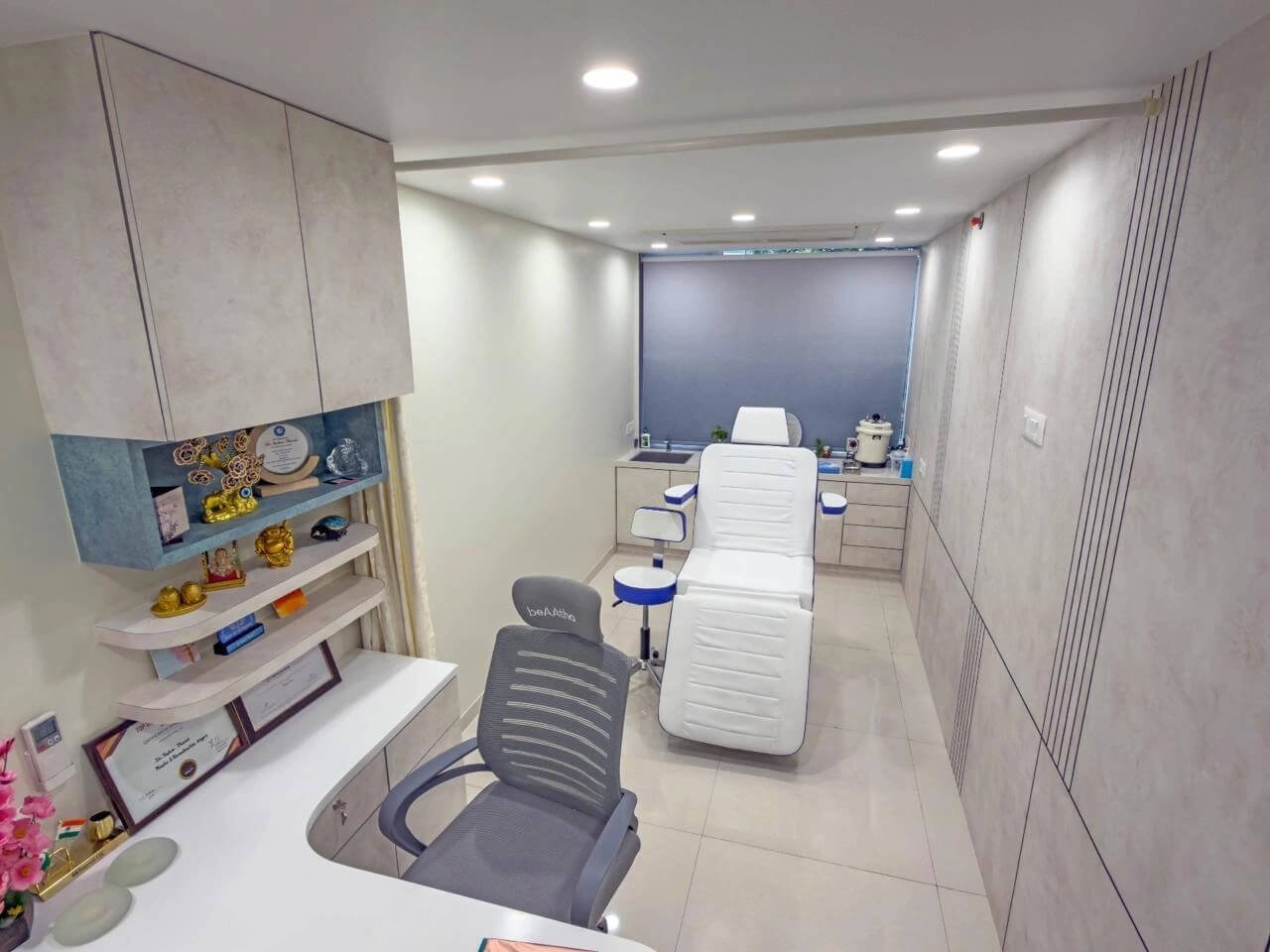
Kimaya Cosmetic Surgery Clinic is in Lalbaug/Parel, Mumbai. Dr. Tushar is also associated with several Mumbai hospitals; appointment locations and availability vary, so confirm the correct location and slot before travelling. View contact and appointment details.
Does booking a consultation mean I must go ahead with surgery?
No. The appointment is intended to help you understand your options, risks, likely benefits and any investigations needed. You can ask questions, seek another opinion and take time to decide.
Breast reduction consultation in Lalbaug, Parel, Mumbai
Patients looking for a breast reduction consultation in Mumbai can enquire about appointments with Dr. Tushar Thorat at Kimaya Cosmetic Surgery Clinic in Lalbaug/Parel. The location is accessible from Dadar, Byculla, Sewri, Worli, Chinchpokli and other Central and South Mumbai areas. Confirm availability before visiting.
Kimaya Cosmetic Surgery Clinic
A Wing, Tejukaya Esperanza, 206,Dr. Babasaheb Ambedkar Road,
Lalbaug, Parel, Mumbai, Maharashtra 400012
Evening OPD: Monday to Friday, 6 PM–8 PM, by appointment. Call between 11 AM–5 PM, Monday–Saturday, for scheduling (subject to confirmation).
Appointment lines: +91 98332 81190 or +91 77382 78295.
Depending on medical needs and the doctor’s schedule, appointments may also be coordinated in connection with Sir H. N. Reliance Foundation Hospital (Girgaon), Saifee Hospital (Charni Road), Gleneagles Hospital (Parel) and Bhatia Hospital (Tardeo). These are not walk-in guarantees; confirm the appropriate location with the team.
Related breast surgery resources
Evidence and further reading
General educational guidance on this page is informed by established patient resources. These sources do not replace an individual clinical evaluation.
- American Society of Plastic Surgeons — Breast Reduction Consultation ↗ · medical history, examination and informed discussion
- American Society of Plastic Surgeons — Risks and Safety ↗ · complications and consent
- NHS — Breast Reduction ↗ · symptoms, recovery, pregnancy and breastfeeding considerations