
Tummy Tuck vs Liposuction: Which Concern Does Each Procedure Address?
A fuller abdomen can result from different things: a localised fat deposit, loose skin, stretched abdominal-wall tissue or a combination. Understanding the underlying concern is more useful than choosing a surgery based on its name.
Educational information only · Individual treatment decisions require examination · Dr. Tushar Thorat · Lalbaug / Parel, Mumbai
Different treatment goals.
Illustrations are explanatory, not a self-diagnosis tool. Some patients need neither operation; selected patients may discuss a combined approach.
Tummy tuck vs liposuction in Mumbai: what is the actual difference?
Both procedures change body contour, but they work on different tissues. Liposuction removes selected pockets of fat just beneath the skin. A tummy tuck (abdominoplasty) removes excess abdominal skin and some fat and can repair stretched connective tissue over separated muscles when indicated. A tummy tuck involves a longer incision and generally more recovery than limited liposuction.
If the main concern is localised fat and the skin can adapt well to a smaller volume, liposuction may be discussed. If the main concern is hanging or markedly loose skin, especially with abdominal-wall laxity, a tummy tuck may better address it. When both problems coexist, the surgeon may discuss a combined plan. Neither surgery removes deep visceral fat around internal organs or replaces a weight-management plan.
The important question is not “Which operation gives a flatter tummy?” It is “Which tissue is causing the contour I am concerned about?” Post-pregnancy changes, substantial weight loss and natural changes in skin elasticity can create very different treatment needs. For a fuller explanation of the operation itself, see Dr. Thorat’s tummy tuck surgery in Mumbai service page.
Which abdominal concern are you trying to address?
These descriptions can help you prepare for a conversation with a plastic surgeon. They are not reliable self-tests: appearance and touch alone cannot confirm the cause of abdominal fullness.
Localised subcutaneous fat
A soft area beneath the skin that persists despite stable weight and activity. Liposuction can remove some of this fat in selected candidates when skin quality is suitable.
Primary discussion: fat contouringLoose or overhanging skin
Folds, crepey skin or skin that hangs after pregnancy or weight loss. Liposuction alone cannot reliably remove that excess skin; skin-removal surgery may be considered.
Primary discussion: skin excisionAbdominal-wall separation
The front abdominal wall may look rounded when the central connective tissue has stretched, sometimes after pregnancy. A clinician assesses whether diastasis recti is present and whether treatment is appropriate.
Primary discussion: abdominal-wall evaluationA combination—or another cause
Fat deposits, skin laxity and muscle separation may appear together. Deep visceral fat, bloating or an abdominal hernia can also alter the contour and need different evaluation.
Primary discussion: personalised assessmentA new, painful, enlarging or firm abdominal lump, especially with vomiting, inability to pass stool or gas, or severe pain, needs prompt medical assessment rather than an aesthetic-surgery decision. A suspected hernia should be evaluated clinically.
Tummy tuck vs liposuction: side-by-side
Use this table to understand the usual role of each operation. Surgical technique, anaesthesia, scars and recovery vary with the extent of treatment and individual health.
| Consideration | Liposuction | Tummy tuck (abdominoplasty) |
|---|---|---|
| Main purpose | Remove selected deposits of subcutaneous fat. | Remove excess skin and reshape the abdomen; may include tightening of abdominal fascia. |
| Localised fat | Directly addresses it when suitable. | Removes some fat with the excised tissue; liposuction may sometimes be added. |
| Loose skin | Does not reliably correct substantial skin excess. | Removes excess skin; extent depends on the procedure. |
| Diastasis recti | Does not repair muscle separation or stretched fascia. | May include repair of stretched midline fascia, if clinically appropriate. |
| Scars | Usually several small incision scars. | A longer permanent lower-abdominal scar; full procedures often also involve the navel. |
| Recovery | Often shorter for limited treatment; swelling may last months. | Usually more extensive restrictions and a longer healing period. |
| Weight reduction | Not an obesity or weight-loss treatment. | Not a weight-loss procedure; best considered around a stable weight. |
| Can both be done? | In selected cases, a surgeon may combine them to address different concerns, but combining procedures also affects risk and recovery. | |
The table summarises general principles from Mayo Clinic, Cleveland Clinic and ISAPS. It is not a surgical recommendation or a comparison of guaranteed results.
What can a tummy tuck address?
Abdominoplasty is considered when excess abdominal skin is a substantial part of the concern. Through an incision—usually planned low on the abdomen—the surgeon removes selected excess skin and fat. In a full tummy tuck, the umbilicus may be repositioned and stretched abdominal fascia may be tightened. The exact surgical plan depends on the anatomy and goals.
Concerns it may help with
- Loose lower-abdominal skin after pregnancy or meaningful weight loss.
- Overhanging folds that cannot be corrected by fat removal alone.
- Selected cases of abdominal-wall laxity or rectus diastasis, after clinical examination.
- A combination of skin excess and contour changes around the lower abdomen.
What it cannot promise
A tummy tuck does not prevent future weight gain, remove deep fat surrounding internal organs or guarantee a flat abdomen in every case. It leaves permanent scars, and healing or sensation changes can be prolonged. Future pregnancy or substantial weight change may alter the result.
A mini tummy tuck generally addresses more limited skin excess below the navel and is not simply a smaller version suitable for everyone. A full tummy tuck permits broader skin management and, when indicated, wider abdominal-wall repair. The location and extent of skin laxity determine what is feasible.
You can explore the clinic’s existing abdominoplasty treatment overview for procedure-specific information.
What can liposuction address—and what can’t it?
Liposuction removes selected subcutaneous fat deposits through small incisions using a cannula. It can contour the abdomen or flanks in suitable patients, but the skin must be able to adapt to the reduced fat volume. The surgeon considers the distribution of fat, skin elasticity, medical history and expected contour before recommending it.
- Useful target: localised subcutaneous fat that affects shape despite a stable weight.
- Not its target: excess hanging skin, muscle separation, stretch marks or fat stored deep around organs.
- What to expect: temporary swelling and bruising, possible compression garments and small scars; final contour emerges gradually.
- Not a substitute: it does not replace exercise, nutrition or treatment for obesity.
Liposuction performed on skin with poor elasticity may leave irregularities or make laxity more noticeable. That is why “just remove the fat” is not always the best plan. For a more detailed explanation, read Dr. Thorat’s existing guide, Liposuction Surgery: What to Expect, Benefits, and Recovery Tips.
The three-layer decision
At consultation, the surgeon evaluates more than external appearance.
How much loose skin is present? How well could it retract?
Where is the pinchable fat located, and how much is appropriate to remove?
Is there separation, a hernia or another cause of bulging that needs evaluation?
After pregnancy, weight loss or persistent belly fat: how the discussion changes
1. After pregnancy
Pregnancy can stretch abdominal skin and midline connective tissue. Some people have skin folds, others have muscle separation, and others mainly notice fat deposits. A tummy tuck may be discussed for significant skin excess or appropriate abdominal-wall repair, while liposuction may address localised fat if skin quality permits. If another pregnancy is planned, timing matters because future stretching may change the surgical result. Non-surgical management, including guided rehabilitation for diastasis, may be appropriate in some cases.
2. After substantial weight loss
Reduced fat volume does not always mean skin will contract to the new size. When an apron of skin remains, liposuction alone does not remove it. A tummy tuck or another skin-removal operation might be assessed once weight is sufficiently stable and health factors are optimised. The choice depends on whether skin excess extends only across the front or also around the sides of the torso.
3. Persistent localised abdominal fat
For a person near a stable weight with a specific fat pocket and relatively elastic skin, liposuction may be part of the discussion. But a prominent abdomen can also be related to visceral fat, digestive issues or other medical conditions that liposuction will not correct. A physical examination helps avoid the wrong intervention.
4. Both loose skin and fat
In some patients, a combined procedure may be considered. Liposuction can contour fat deposits while an abdominoplasty manages skin excess and, where indicated, stretched fascia. Combining operations is not automatically safer, easier or better: duration, blood supply, complication risks and recovery have to be considered carefully.
Patient decision principle based on standard plastic-surgery assessment. Not a quotation attributed to Dr. Thorat.
For related context, see the clinic’s educational article on body contouring after pregnancy.
What happens at a tummy tuck or liposuction consultation?
At a consultation in Mumbai, the aim is to determine whether the concern comes from fat, skin, the abdominal wall or something else. A treatment recommendation should follow medical assessment—not a photograph or online body-type label.
Six useful areas to discuss
Which part of the abdomen bothers you, and what change do you realistically expect?
Weight changes, pregnancies, previous surgery, smoking, medication and health conditions.
Skin laxity, fat distribution, scars, abdominal wall and possible hernia concerns.
No surgery, lifestyle management, physiotherapy when indicated, or surgical options.
Anaesthesia, wound healing, contour changes, permanent scarring and complications.
Work, caregiving, lifting, exercise, follow-ups and a personalised cost estimate.
When might surgery need to be postponed or reconsidered?
An unstable weight, planned pregnancy, smoking, significant medical conditions, certain medicines, clotting risks or unrealistic expectations may change the recommendation. Your surgeon may recommend additional assessment or risk reduction before discussing an operation.
Questions worth bringing to your appointment
Discuss your concern, not just a procedure name.
Request an individual body-contouring assessment with Dr. Tushar Thorat at the Lalbaug / Parel clinic.
How do recovery, scars and precautions differ?
Recovery is not a fixed number of days. It depends on the area and extent of liposuction, whether abdominal fascia is repaired during a tummy tuck, overall health and the surgeon’s protocol.
After liposuction
Bruising, swelling, temporary numbness and soreness are common. Depending on treatment extent, many patients can return to some daily activities sooner than after abdominoplasty; heavy exercise still requires clearance. Compression garments may be prescribed for a period determined by the treating surgeon. Swelling and contour changes can continue for months.
After a tummy tuck
Healing usually requires more support and restrictions. The patient may have dressings, drains in some cases, a compression garment, walking guidance and temporary limits on lifting or strenuous activity. A longer lower-abdominal scar is expected and can change in appearance over time. If abdominal-wall tightening was performed, activity restrictions may be greater. Follow-up appointments are part of the plan.
Key risks to understand
Both operations can involve bleeding, infection, anaesthesia complications, fluid collections, asymmetry, altered sensation and dissatisfaction with contour. Tummy tuck surgery additionally carries risks related to larger wounds, delayed healing and blood clots; liposuction carries specific risks such as contour irregularities and, rarely, serious fluid or fat-related complications. Risks can rise when procedures are extensive or combined.
Contact your surgical team promptly for worsening redness, discharge, fever, increasing swelling, uncontrolled pain or wound concerns. Chest pain, breathlessness, fainting or sudden significant one-sided leg swelling require urgent emergency assessment.
Ask for written instructions on medicines, wound care, showering, compression garments, walking, return to work, exercise and follow-up. Do not use another patient’s timeline as your own clearance.
Tummy tuck vs liposuction: common questions
Is a tummy tuck better than liposuction for belly fat?
Not necessarily. Liposuction specifically targets selected subcutaneous fat deposits, while a tummy tuck is mainly considered for excess abdominal skin and sometimes stretched fascia. The suitable approach depends on the anatomy, not the amount of belly fat alone.
Can liposuction tighten loose skin after pregnancy?
Liposuction removes fat but does not reliably correct marked loose skin. If skin is significantly stretched or hangs in folds, a tummy tuck or another skin-removal procedure may be discussed after assessment.
Does a tummy tuck repair diastasis recti?
A tummy tuck can include tightening the stretched connective tissue over separated abdominal muscles when appropriate. Not every patient requires this step, and the diagnosis should be confirmed by examination.
Can tummy tuck and liposuction be done together?
Sometimes. A combined plan may address fat contouring and excess skin or fascia in selected patients. It can also increase the scope of surgery, so individual risks, operating time and recovery must be reviewed.
Which procedure leaves a bigger scar?
A traditional tummy tuck leaves a longer permanent incision scar, generally positioned low across the abdomen, and may have a scar around the navel. Liposuction generally uses smaller incision sites, although scars still occur.
Which procedure has a shorter recovery?
Limited liposuction often involves a shorter initial recovery than a full tummy tuck, especially when abdominal-wall repair is performed. The amount treated, your job, health and surgical details determine the practical timeline.
Do these procedures remove visceral fat?
No. Visceral fat lies deep inside the abdominal cavity around internal organs. Liposuction targets fat beneath the skin, and a tummy tuck primarily addresses the abdominal skin, fat and fascia. Deep abdominal fat requires a different health-focused approach.
Is tummy tuck or liposuction a weight-loss operation?
No. Both are body-contouring procedures rather than treatments for obesity. Maintaining a stable weight and a suitable medical profile matters for safety and long-term contour.
Will a tummy tuck remove stretch marks?
Some stretch marks on the portion of skin removed during surgery may also be removed. Stretch marks remaining outside that excised area can persist. Neither operation guarantees stretch-mark removal.
Should I consider surgery if I plan another pregnancy?
Discuss family plans before choosing an operation. Future pregnancy can stretch the skin and abdominal wall again, potentially affecting tummy tuck results. A surgeon may advise postponing treatment or considering other options.
What is the cost of tummy tuck vs liposuction in Mumbai?
Costs vary by the specific operation, anaesthesia, facility, extent of treatment and postoperative care. An exact quote requires an individual assessment; comparing a generic package price can be misleading.
Where can I consult about tummy tuck vs liposuction near Parel or Dadar?
Dr. Tushar Thorat provides plastic-surgery consultations at Kimaya Cosmetic Surgery Clinic in Lalbaug / Parel, Mumbai. Patients from Dadar, Byculla, Worli and nearby areas can enquire about available appointments through the clinic contact page.
Discuss body-contouring concerns with Dr. Tushar Thorat
For patients researching tummy tuck vs liposuction in Mumbai, the first step is an examination of skin, fat and abdominal-wall concerns. Dr. Tushar Thorat, MBBS, MS, MCh, DNB (Plastic Surgery), offers specialist consultations through Kimaya Cosmetic Surgery Clinic in Lalbaug / Parel. The location is accessible from Dadar, Byculla, Worli, Sewri, Chinchpokli, Wadala and nearby South and Central Mumbai neighbourhoods.
Kimaya Cosmetic Surgery Clinic
Individual assessment, balanced discussion of treatment options and surgical planning when appropriate.
A Wing, Tejukaya Esperanza, 206, Dr Babasaheb Ambedkar Road, Lal Baug, Parel, Mumbai, Maharashtra 400012, India.Evening OPD: Monday–Friday, 6 PM–8 PM (confirm appointment availability before visiting).
Appointment calls: Monday–Saturday, 11 AM–5 PM.
Call: +91 98332 81190
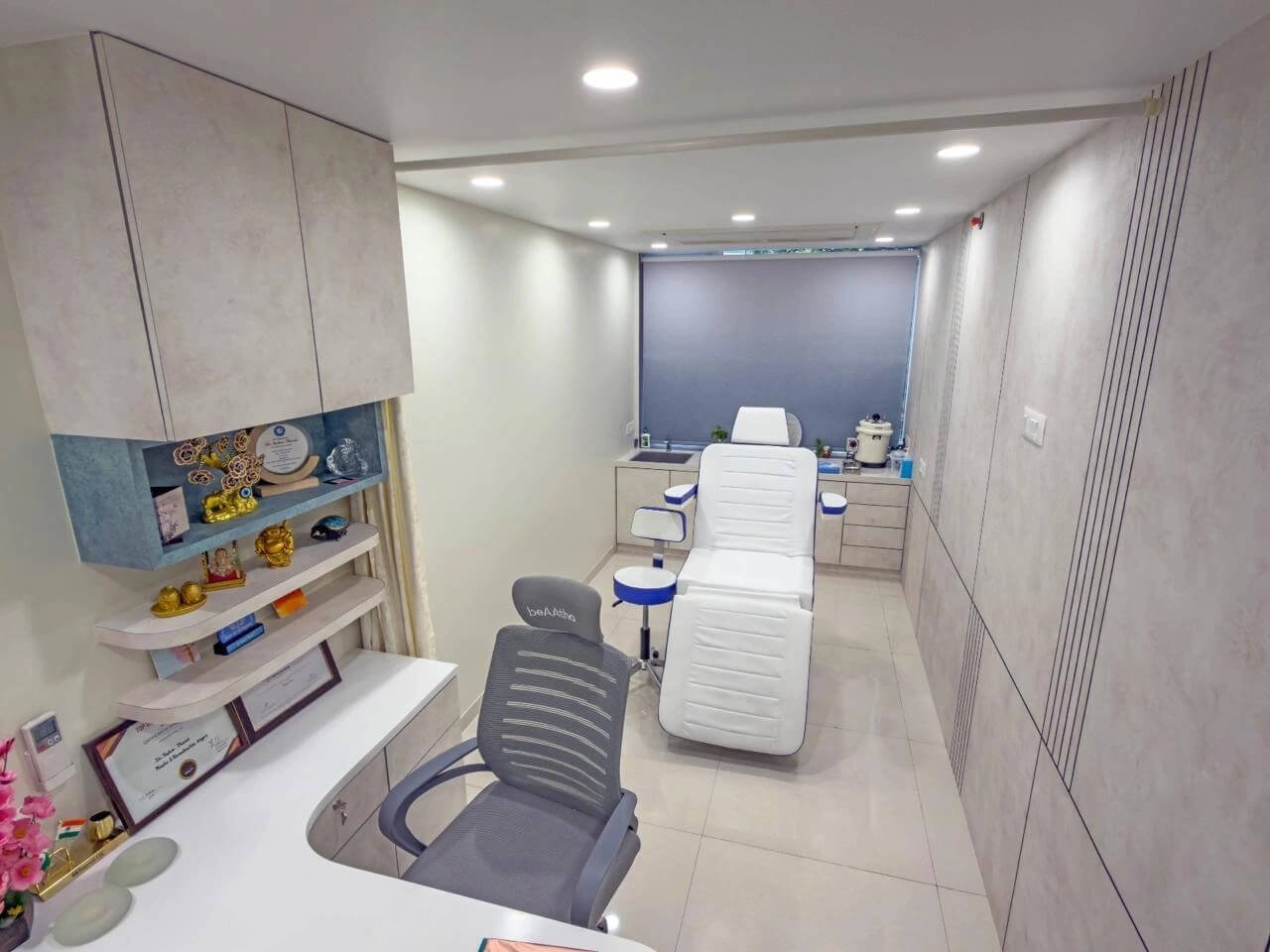 Kimaya Cosmetic Surgery Clinic · Lalbaug / Parel
Explore related treatment information
Medical references and further reading
Last content review for publishing: November 2026. This article is general patient education, not medical advice or a statement of individual eligibility. Surgical results, scars, risks and recovery vary. Confirm all clinical guidance during consultation. Clinical review by Dr. Tushar Thorat should be completed before publication; no author or reviewer attribution is implied here.