

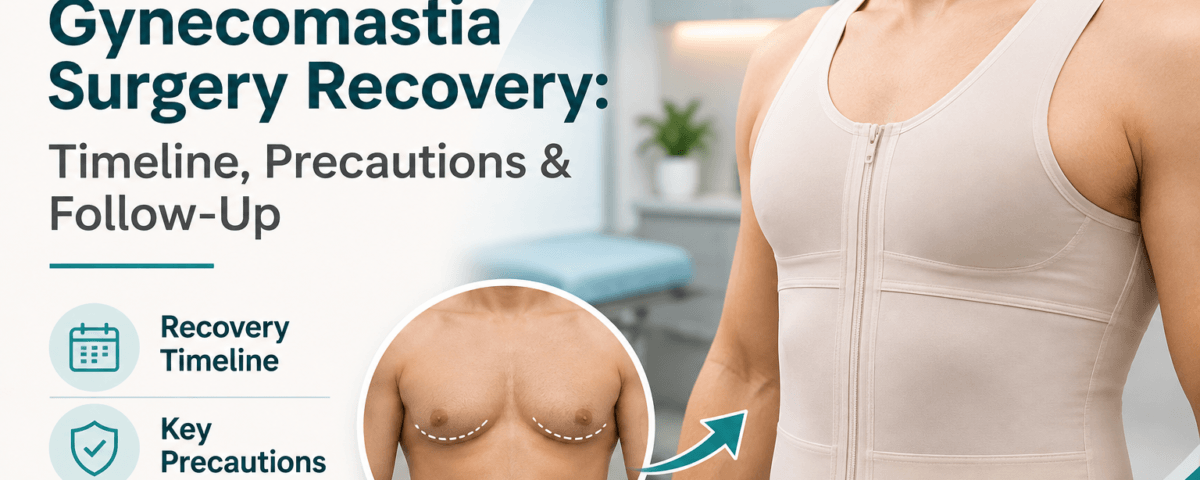
Gynecomastia Surgery Recovery: Timeline, Precautions & Follow-Up
Wondering when you can return to work, travel around Mumbai, remove your compression vest or start the gym after male breast reduction? Here is a realistic recovery guide, including what to watch for and when to contact your surgeon.
Dr. Tushar Thorat · MBBS, MS, MCh, DNB · Plastic, Cosmetic & Reconstructive Surgeon · Mumbai. General education, not a personal postoperative prescription.
in stages.
How long does gynecomastia surgery recovery take?
For many people, the first few days involve discomfort, swelling and reduced activity. Some patients return to a desk job in around one to two weeks, while physically demanding work can take longer. Heavy lifting and chest-focused exercise often need to be restricted for several weeks. Swelling, sensation and scar appearance may continue changing over three to six months or longer.
Your surgeon’s advice takes priority over any online timeline. A person who had limited gland removal and a person who needed extensive liposuction, gland excision or skin removal should not assume they will recover at the same speed.
Gynecomastia surgery (male breast reduction) can involve gland excision, liposuction or both. Your treatment may also involve dressings, a support vest, dissolving or removable stitches, and sometimes temporary drains. If you are still considering treatment, begin with Dr. Tushar’s gynecomastia surgery assessment in Mumbai, which explains treatment options and suitability rather than concentrating on aftercare.
This guide focuses specifically on gynecomastia surgery recovery in Mumbai: planning time away from work, handling commutes, protecting your incisions, watching for complications, and knowing what follow-up appointments are for.
Gynecomastia recovery timeline: from surgery day to six months
Use the stages below to understand possible milestones, not to give yourself permission to drive, exercise, remove a dressing or stop compression. Your operating team will set individual restrictions.
- Day 0Operation day
Discharge and safe rest
After observation, many patients leave with dressings and a compression garment; some remain in hospital according to the operation and anaesthesia. Arrange an escort and do not drive yourself after sedation or general anaesthesia. Review medications, contact numbers, drainage instructions if applicable and your first follow-up before going home.
Priority: understand discharge instructions - Days 1–3Early healing
Swelling, tightness and soreness are common
Bruising, temporary numbness and a feeling of tightness may occur. Take prescribed medication only as directed, walk gently around the house if permitted, avoid heavy lifting or pushing, and keep incisions and dressings cared for exactly as instructed. Seek urgent advice for sudden or rapidly increasing swelling or pain.
Priority: protect incisions and monitor symptoms - Days 4–7First week
Basic routines gradually become easier
Many people find gentle movement more comfortable, but soreness and swelling can persist. Follow the instructions for bathing, garment changes and wound checks. Desk work may be possible for some, but avoid commuting if crowds, lifting a laptop bag or standing for long periods would strain your chest.
Priority: comfortable activity, not exertion - Weeks 1–2Early follow-up
Review wounds and work readiness
At a scheduled check, the team may review the incisions, dressing needs, any drains, swelling and the garment fit. Some patients return to computer-based work during this period; others need more time. Work involving lifting, pulling or repetitive upper-body movements usually requires greater caution.
Priority: surgeon-led work clearance - Weeks 3–6Gradual return
Build activity back step by step
Daily routines may improve, but the deeper tissues are still healing. Your surgeon will decide when walking can progress to more vigorous activity and when the compression vest can be reduced or stopped. Chest exercises, heavy weights, contact sports and intense upper-body activity should wait for explicit clearance.
Priority: avoid a premature gym comeback - Months 2–6Contour maturation
The chest contour becomes clearer
Residual swelling may slowly settle and scars change in colour and texture. Temporary firmness, altered nipple sensation or minor asymmetry can take longer to resolve. Your surgeon may assess the evolving result and recommend scar care only once your incisions have healed appropriately.
Priority: evaluate progress over months
Compression vest after gynecomastia surgery: what matters?
A postoperative compression garment is commonly used to support the operated chest and help control swelling. It is not a substitute for wound checks, nor is tighter compression automatically better.
The garment should fit as prescribed. If it causes significant pain, difficulty breathing, skin injury, unusual numbness or rolling pressure, contact your surgical team rather than adjusting the compression aggressively yourself.
How long should it be worn?
Instructions vary from shorter periods to several weeks. Follow the exact wear schedule provided by your surgeon, including whether it must stay on during sleep and when you may remove it.
Can I wash or change it?
Ask how to clean the garment, whether a spare is needed and whether changing it could disturb dressings or drains. Do not leave it off for long periods unless authorised.
Does it prevent all swelling?
No. Swelling and bruising can still occur, and fluid collections can require assessment despite appropriate compression. Rapidly enlarging swelling is not something to treat by tightening the vest.
When can I stop wearing it?
Usually after your operating team reviews healing and confirms a plan. Do not use online timelines or how flat the chest looks as the sole reason to discontinue compression.
Precautions that help support recovery
Good aftercare is usually uncomplicated but demands consistency. Focus on the instructions below and personalise every item with the discharge sheet from your own team.
Dressings, incisions and drains
Keep the area as directed. Do not pull off tapes, pick scabs, apply random creams or remove drains yourself. If drainage, an unpleasant odour or wound separation appears, contact your team.
Medication and pain control
Use prescribed pain relief and other medication as instructed. Check before adding over-the-counter painkillers, supplements or blood-thinning medicines. Do not take unprescribed antibiotics.
Gentle movement
Short, easy walks are often encouraged as recovery permits. Avoid straining, heavy bags, gym equipment and sudden stretching. Your clinician should advise about arm range of motion and sleeping position.
Food, hydration and habits
Eat balanced meals with adequate protein and fluids, unless your medical team advises otherwise. Avoid smoking, nicotine and other substances that can impair healing. Ask about alcohol interactions with medicines.
Showering and sleeping: do not guess
Some people can shower relatively early; others must keep specific dressings dry or wait until drains are managed. Ask when your incisions can get wet, what soap to use and how to dry the area. Many surgeons recommend a supported position early after surgery, but your own instructions take priority over general sleeping advice.
Helpful to do
✓ Keep your discharge instructions accessible
✓ Wear compression as prescribed
✓ Walk gently when permitted
✓ Attend wound and follow-up checks
Avoid without clearance
× Heavy lifting or chest exercises
× Heat, massage or scar products on unhealed incisions
× Swimming before wounds are fully healed
× Changing medicines or dressings independently
Returning to office work, driving, travelling and the gym
The question is not simply “How many days have passed?” but whether the healing tissues can tolerate the activity. Pain, dressing needs, sedating medicine, procedure complexity and the surgeon’s assessment all matter.
| Activity | What to consider | Decision |
|---|---|---|
| Desk or remote work | Some resume in roughly 7–14 days, sometimes earlier or later. Check comfort, fatigue, dressings and upper-body movement. | When comfortable and cleared. |
| Physical or manual work | Lifting, pushing, repetitive reaching or working in heat may strain the operated chest. | Often needs a longer restriction plan. |
| Mumbai train or crowded commute | Standing, carrying bags, jostling and holding overhead rails may be uncomfortable or unsafe initially. | Prefer a less crowded trip or remote work when possible; ask your team. |
| Driving or riding | You must be off sedating medicines, able to steer, brake and turn safely, and tolerate a seatbelt without significant pain. | Only when safe and medically permitted. |
| Walking | Gentle, short walks may start early, according to discharge instructions; gradually increase if comfortable. | Usually the first activity to restart. |
| Running, swimming, weights | More strenuous exercise and chest-loading workouts may be limited for several weeks, often around 4–6 weeks or longer. | Wait for explicit surgeon clearance. |
When can I do chest day again?
Bench presses, push-ups, chest flys and heavy lifting place demand on the healing chest. Being able to walk comfortably or attend office does not mean it is safe to restart pectoral workouts. Discuss a staged return based on tenderness, wounds, swelling and what was done during surgery.
The same principle applies to swimming, contact sport and physically demanding recreational activities: avoid friction or impact around healing incisions, and do not return until your surgeon approves.
What is expected—and what needs urgent medical attention?
Some bruising, tightness, soreness, swelling and temporary changes in nipple sensation may occur after surgery. However, worsening symptoms should not be dismissed as normal healing simply because surgery was recent.
Contact your surgeon or surgical team promptly for:
- Rapidly enlarging or one-sided chest swelling, particularly with increasing pain or tension.
- Persistent bleeding, fresh heavy drainage, a wound that opens, or unexpected fluid collection.
- Fever, spreading redness, warmth, pus or unpleasant-smelling discharge that may suggest infection.
- Severe, increasing or poorly controlled pain, new concerning skin colour changes or any sudden deterioration.
Bleeding under the skin (haematoma), a fluid collection (seroma), infection and wound problems are among the complications the team watches for. These symptoms require assessment; do not attempt to drain a lump or treat swelling yourself.
Why follow-up appointments matter after gynecomastia surgery
Follow-up visits are not only for removing stitches. They allow the operating surgeon to assess progress and adjust the plan in response to healing. Your first appointment and later review dates will be chosen by your surgeon; there is no single schedule suitable for everyone.
Early wound and garment check
Incisions, dressings, swelling and any drains may be reviewed, along with pain control and whether your compression garment fits correctly.
Activity progression
Later checks can guide a return to work, travel and exercise, based on how the chest actually looks and feels—not just elapsed time.
Scar and sensation review
The surgeon may assess scars, temporary numbness, firmness or residual swelling and recommend when scar-care measures are appropriate.
Longer-term contour assessment
Later reviews help distinguish routine settling from a concern that merits evaluation, such as fluid collection, persistent asymmetry or an unexpected contour change.
If you cannot attend your scheduled appointment, speak to the surgical team and arrange the appropriate alternative. If you had surgery at a hospital rather than the Lalbaug clinic, confirm where your follow-up is supposed to take place; not all reviews necessarily occur at the same location.
Swelling, scars and final chest contour: what changes over time?
Early swelling can hide part of the outcome. Temporary firmness or a slightly uneven appearance does not automatically mean the final result is uneven. Conversely, a new enlarging lump or sudden asymmetry needs evaluation rather than reassurance from an internet article.
Swelling and final results
Many people notice progressive improvement over weeks, but the chest may continue settling for three to six months or more. Your operation type, tissue response and healing influence this. Avoid judging the contour from photos taken a few days after surgery.
Scars and nipple sensation
Incisions always create scars. Their size and position depend on whether fat, gland, excess skin or a combination was treated. Scars generally change with time and may take many months to mature; complete invisibility cannot be promised. Sensation may be altered temporarily or, less commonly, persistently.
What if one side looks different?
Mild early differences may reflect swelling, but persistent asymmetry, a noticeable indentation, marked firmness or renewed fullness should be discussed with the treating surgeon. Assessment is needed to distinguish normal healing, contour irregularities and complications.
If you are researching the type of surgery rather than recovery, Dr. Tushar also explains grade 1, grade 2 and grade 3 gynecomastia and why the operation may differ by tissue pattern.
Questions to ask before your surgery or at your first follow-up
Save this list for your appointment. Clear, written instructions are more useful than a generic promise of “fast recovery.”
Gynecomastia surgery recovery FAQs
How many days of rest are needed after gynecomastia surgery?
The first few days usually involve reduced activity and rest with gentle movement as permitted. Many return to sedentary work in approximately one to two weeks, but the exact time depends on surgery extent, discomfort, work demands and your surgeon’s clearance.
Can I go back to office after seven days?
Some patients can return to desk work around a week after surgery. Others require longer, particularly if they have extensive surgery or a strenuous commute. Do not return if you cannot manage pain, dressings and routine movement safely.
How long do I need to wear a compression vest?
There is no universal schedule. Different surgical protocols recommend different wear periods, from shorter early compression to several weeks. Follow the surgeon’s written directions for both daytime and overnight wear.
When can I restart gym workouts and chest exercises?
Heavy lifting, push-ups and chest training are commonly delayed for several weeks, often around four to six weeks or longer. Only your surgeon can clear a gradual return based on the operation and healing.
When can I drive after gynecomastia surgery?
Drive only when your surgeon allows it, you are not taking sedating medicines, you can safely steer and brake, and wearing a seatbelt does not cause significant pain. This may take longer than expected for some people.
Is swelling or numbness normal after surgery?
Some swelling, bruising, tightness or temporary nipple-area numbness can occur. Sudden worsening, marked one-sided swelling, severe pain, fever or wound discharge requires prompt medical assessment.
Can I sleep on my side or stomach?
Ask your surgeon for a position suitable for your dressings, pain level and procedure. Many patients find a supported position more comfortable early on; avoid pressure on the chest until cleared.
When can I shower or swim?
Showering depends on the incision, dressing and drain instructions. Swimming should wait until wounds are healed and you have medical clearance. Do not assume both can restart on the same day.
When will I see the final chest result?
Early changes can be visible, but residual swelling and scar maturation can take months. Many patients see continued settling over three to six months or more. Your surgeon can help you interpret changes during follow-up.
What happens if I miss a follow-up appointment?
Contact the operating team to reschedule. Reviews help detect wound concerns and guide garment use and activity progression. Do not assume a missed review means you can automatically move to the next recovery stage.
What if I had surgery elsewhere but have a recovery concern in Mumbai?
Contact the original operating surgeon promptly. For worsening symptoms, seek in-person evaluation without delay; for emergency symptoms such as chest pain or breathlessness, go to the nearest emergency department. A new surgeon may need your operative records before advising on routine aftercare.
Discuss gynecomastia surgery and your recovery plan with Dr. Tushar Thorat
Planning surgery involves more than choosing a date. Ask how the recommended procedure fits your job, fitness schedule, family responsibilities and travel. Dr. Tushar Thorat provides plastic and reconstructive surgery consultations in Lalbaug/Parel for people across Mumbai, including Dadar, Byculla, Sewri, Worli, Matunga and nearby areas.
Know what recovery would mean for you.
Discuss surgery suitability, expected downtime, compression garments, exercise restrictions, potential risks and follow-up with a qualified plastic surgeon. Consultation does not obligate you to undergo surgery.
Kimaya Cosmetic Surgery Clinic · Lalbaug / Parel
Address: A Wing, Tejukaya Esperanza, 206, Dr Babasaheb Ambedkar Road, Lal Baug, Parel, Mumbai, Maharashtra 400012.
Evening OPD: Monday–Friday, 6 PM–8 PM, by appointment. Please confirm before visiting.
Appointment calls: 11 AM–5 PM, Monday–Saturday, as shown on the official website.
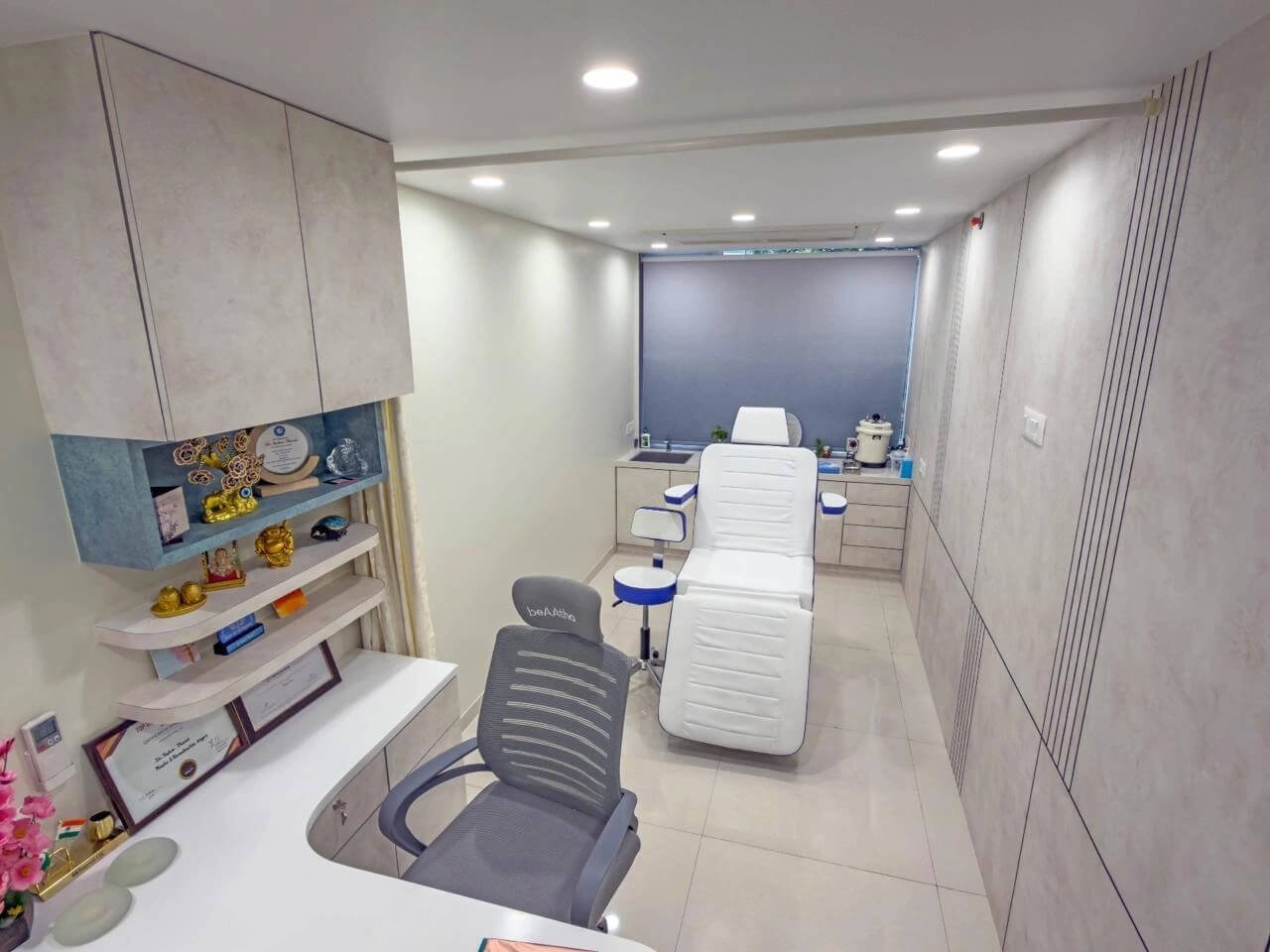
Consultation and surgical facility availability may differ; confirm where your procedure and postoperative reviews will take place.
More relevant patient resources
Clinical information sources
This educational guide draws on guidance published by recognised professional and healthcare organisations. Their information is general and does not replace instructions from the operating surgeon.
- American Society of Plastic Surgeons — Gynecomastia Surgery Recovery. Dressings, support garment, incision care, individual restrictions and follow-up.
- NHS — Breast Reduction (Male). Recovery, work, physical activity, swelling and scarring.
- Cleveland Clinic — Gynecomastia Surgery. Procedure, recovery expectations, risks and urgent symptoms.
- American Society of Plastic Surgeons — Gynecomastia Surgery Safety. Risks and informed decision-making.