Uncategorized
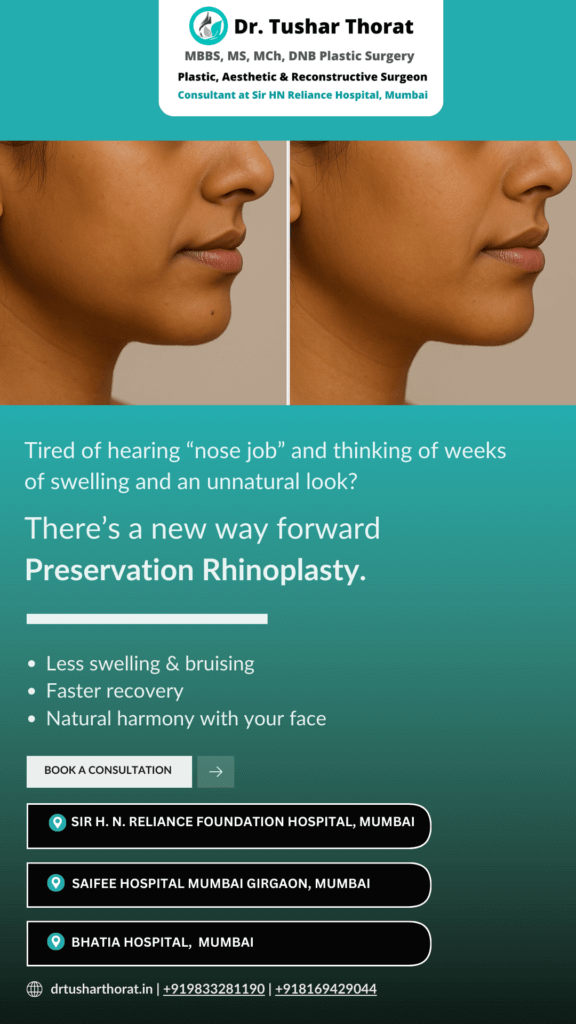
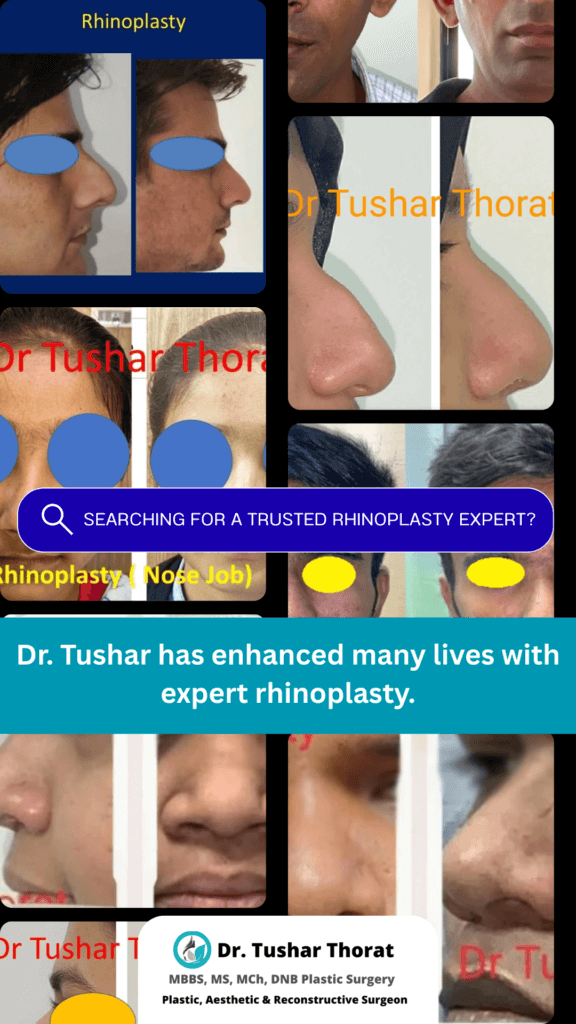
When people hear the word “nose job”, they often imagine cutting, shaving, or removing large parts of cartilage. That’s the traditional way.
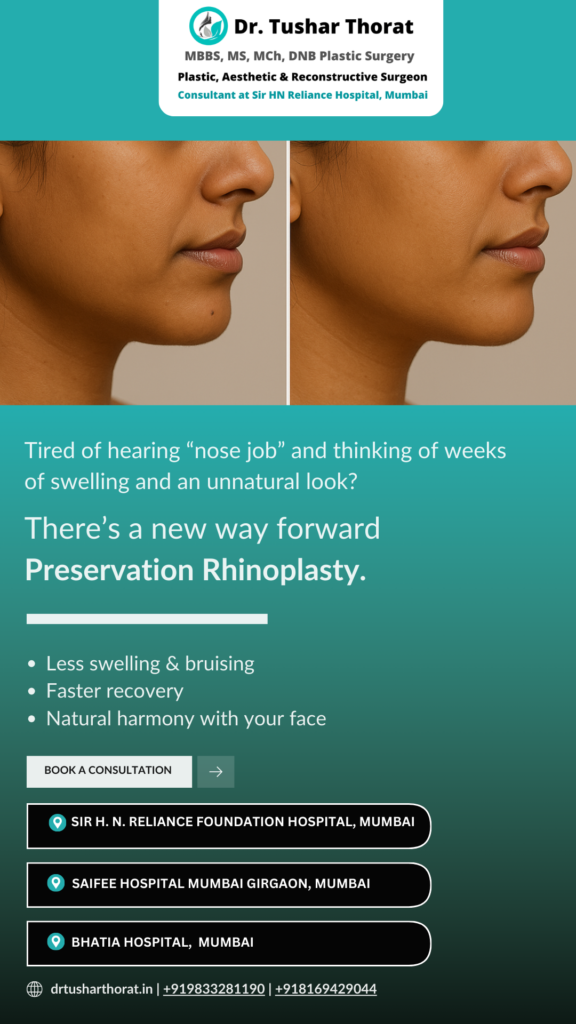
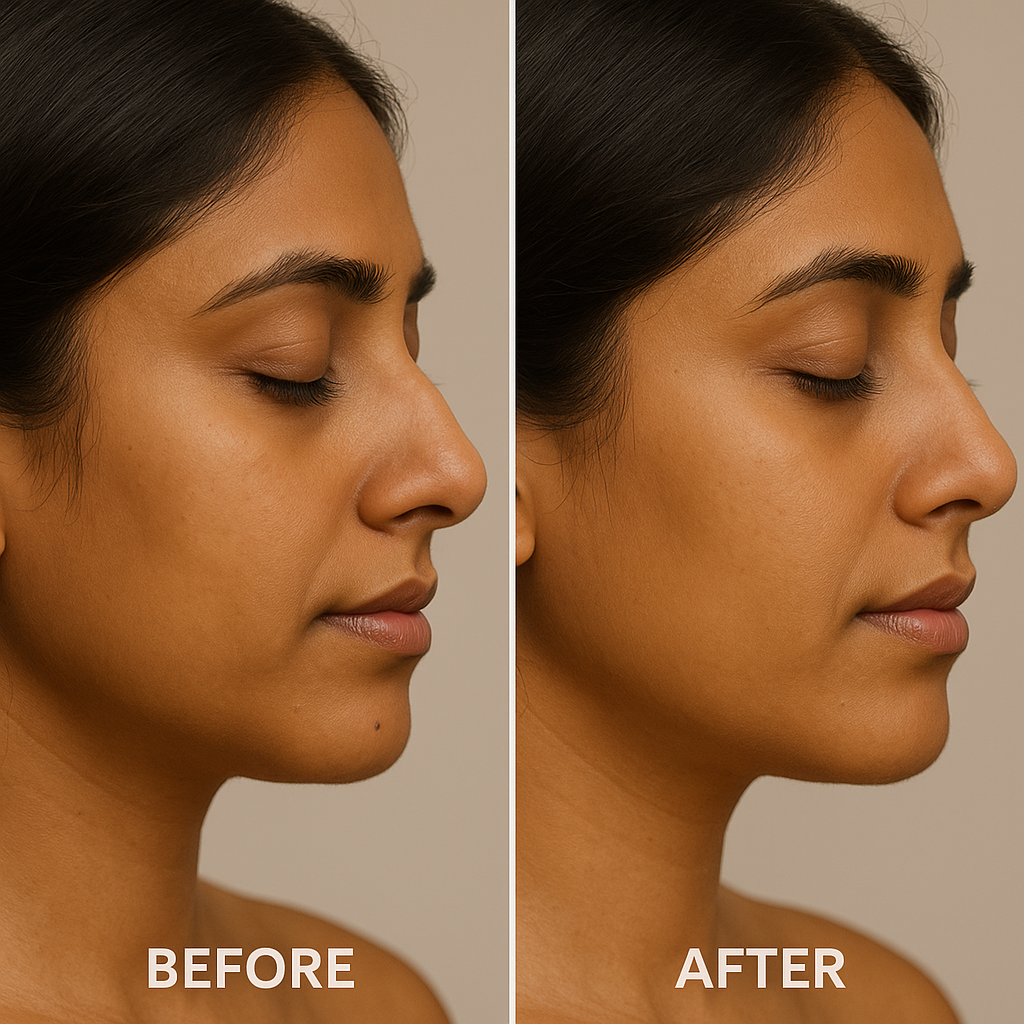
But today, there’s a newer, gentler approach called Preservation Rhinoplasty — and it’s changing how we think about nose surgery.
Instead of aggressively removing tissue, this technique focuses on reshaping and preserving your natural nasal structures. The goal isn’t to give you a “different” nose. It’s to refine what you already have, so the result looks natural, balanced, and uniquely yours.
Key Benefits
- Less swelling & bruising → recovery is much faster compared to older methods
- Natural results → your nose doesn’t look “operated,” it looks harmonious with your face
- Stable long-term outcome → since the natural support of the nose is maintained
Who is it best for?
- People who want subtle changes, not dramatic transformations
- Patients who want quicker recovery and less downtime
- Those with good nasal anatomy that only needs refinement, not reconstruction
A Few Things to Keep in Mind
- Not every nose is suited for this method — some cases (like previous surgeries or major deformities) may still need traditional or hybrid techniques
- Final results depend on individual anatomy, skin thickness, and healing
As a reconstructive and cosmetic surgeon, my focus has always been on results that feel natural and safe. Preservation rhinoplasty is an exciting step forward because it allows us to respect the patient’s natural anatomy while still delivering visible, beautiful improvements.
If you’ve been considering rhinoplasty, ask your surgeon whether preservation techniques could be right for you.
Want to learn more?
Reach out for a consultation and let’s discuss the approach that would suit you best.
Disclaimer: Every patient is unique. A proper evaluation is necessary before deciding the best surgical plan.
#Rhinoplasty #PreservationRhinoplasty #NaturalResults #CosmeticSurgery #PlasticSurgeryMumbai #DrTusharThorat #AestheticSurgery #LessIsMore